appunti per vagabondaggi irregolari
Viaggiando a volte mi sono perso. La maggior parte è stata intenzionale. Ma avevo sempre un filo d’Arianna, nella mente e nelle gambe, che mi aiutava a dipanare la confusione di vie, piazze e sentieri ignoti in cui mi ero inoltrato. Più raramente, mi sono perduto per caso. Per accidente. In queste occasioni, la sensazione di smarrimento era totale: non avevo più nessun punto di riferimento, nessuna traccia; quasi che i palazzi e le strade (di solito era in una città) fossero stati rimescolati di nascosto, come il mazzo di carte di un baro. Sono stati sempre momenti di ansia. E di delizia. Come di fronte all’ingresso di un mondo nuovo.
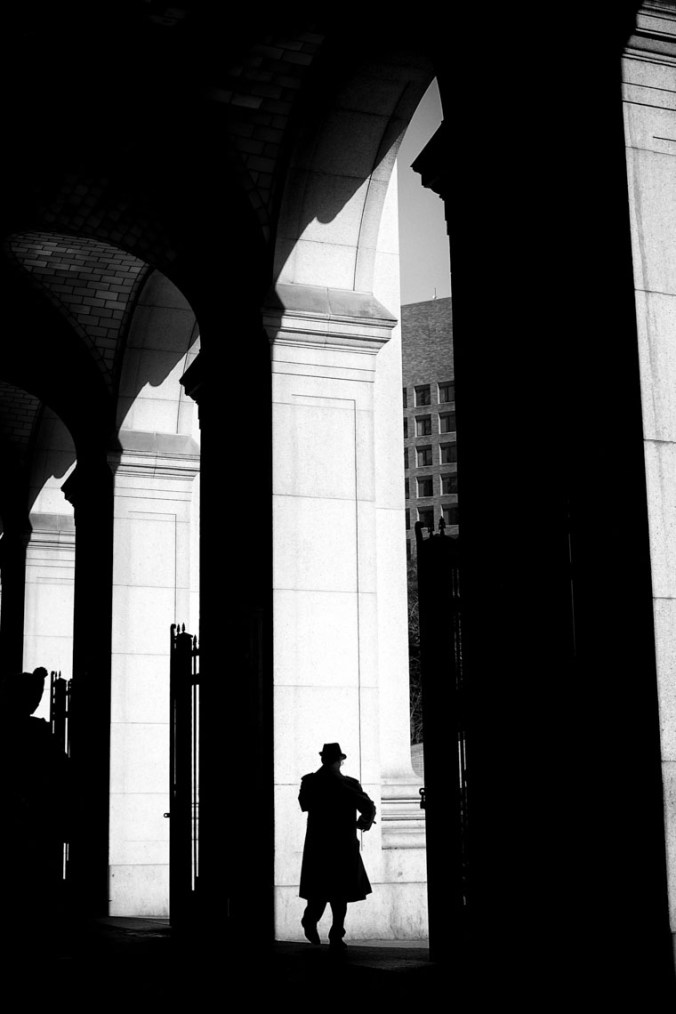
LET’S GET LOST.
Una notte mi sono perso in pieno centro di Siviglia, una città che conosco bene. Era un quartiere familiare, il barrio di San Bartolomé, che confina con Santa Cruz, dove abitavo in una traversa stretta come una feritoia che s’infilava ad angolo acuto in Calle Sierpes. Ero uscito da un locale che un tempo era stato un negozio di antiquariato e conservava, nell’arredamento, alcuni mobili antichi di scarso valore che il vecchio proprietario vi aveva lasciato; e sui quali ora appoggiavano le coppe di vino le belle sivigliane, lasciando ombre sul legno lustro.
Volevo solo camminare un po’, senza direzione, ma presto le strade si confusero intorno a me. Ero passato da quelle parti molte volte, ma non riconoscevo nulla. Spiavo all’interno dei patios, dietro le grate arabescate, in attesa di suggerimenti che non trovavo. La mia bussola interna si era presa una vacanza. Il piccolo quartiere di San Bartolomé contiene diverse meraviglie, tra cui la Casa de Pilatos, uno dei palazzi più straordinari del mondo. Lo stile mudejar dei decoratori arabi convertiti al cattolicesimo scherza qui con l’architettura rinascimentale italiana. I suoi giardini tentano alle delizie come alla meditazione. Secondo una leggenda, i passi che lo separano dalla chiesa della Croce del Campo sono gli stessi della Via Crucis a Gerusalemme, dalla residenza di Ponzio Pilato al Calvario.
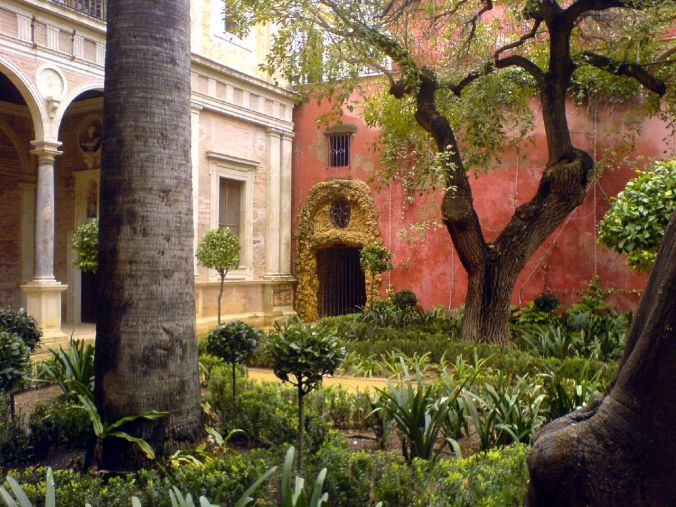
Il giardino di Casa de Pilatos/Casa de Pilatos garden
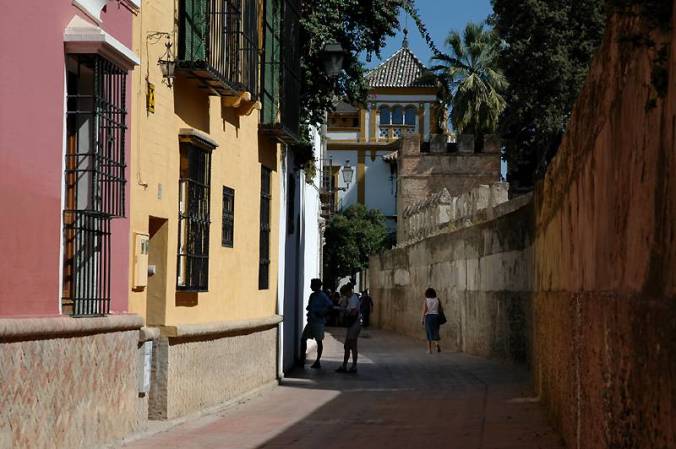
Callejon a Sevilla
I miei passi mi portarono proprio dietro al palazzo, che riconobbi. Nella vicina calle Aguila c’era una casa dove avrei voluto abitare tutta la vita. La mia bussola si era aggiustata. Mi fermai a respirare accanto alle mura che chiudono i giardini segreti della Casa de Pilatos. E la mappa di Siviglia si riaprì di colpo nella mia testa. Le sue piazze teatrali e le callejones sinuose che fanno rimbalzare le voci a isolati di distanza. Fino al vicolo di casa mia, dove la padrona, vedova di un compositore di flamenco, aveva coperto le pareti con le foto di Camaron de La Isla, di Estrellita Castro e altri cantanti e le parole incorniciate, le letras delle canzoni del marito scomparso.
VIE DI FUGA
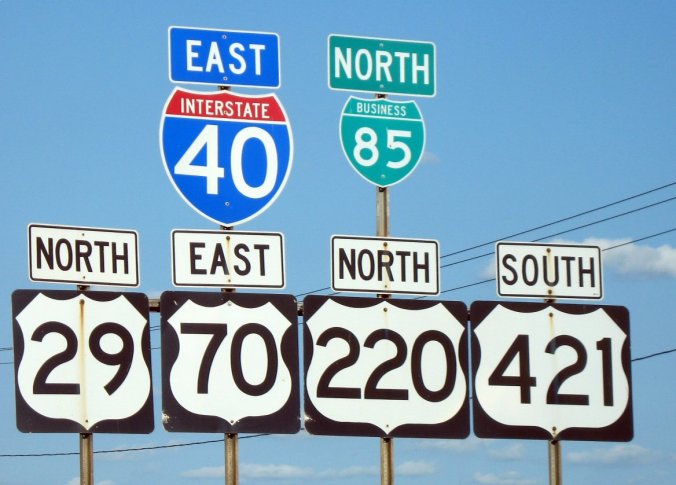
Mi era capitato altre volte di perdermi e altre ancora mi capiterà. Sarò sincero: mi piace perdermi e ogni tanto lo faccio di proposito. Ma è meglio, molto meglio, quando succede per caso. Quando le vie, le piazze, i cartelli si rimescolano come il mazzo delle carte di un baro. E’ una situazione che dispone alla sorpresa e alla meraviglia. Che obbliga alla curiosità. All’avventura. Il modo di viaggiare che preferisco.

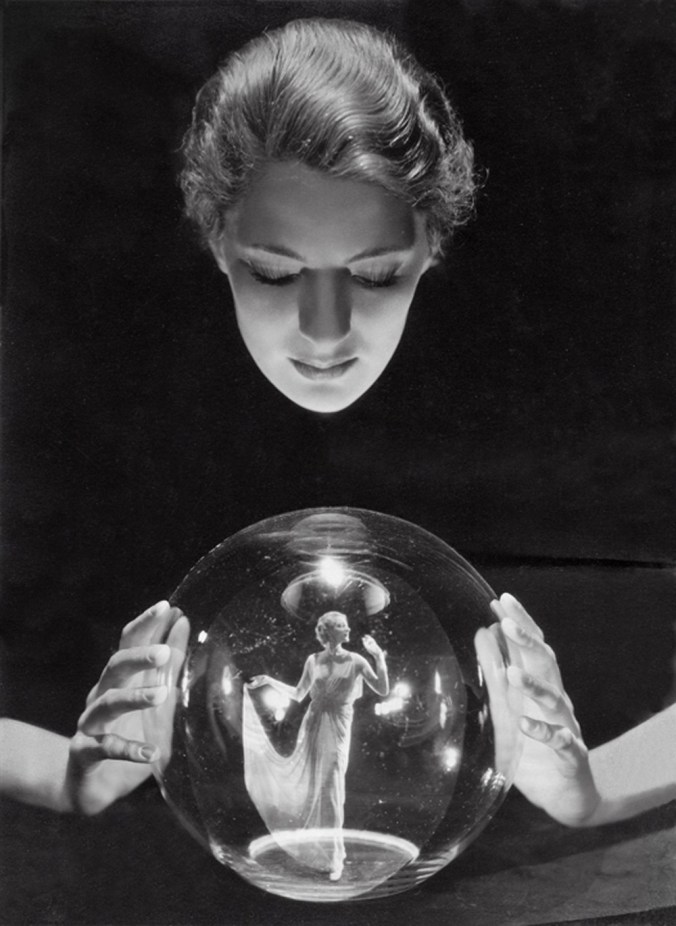
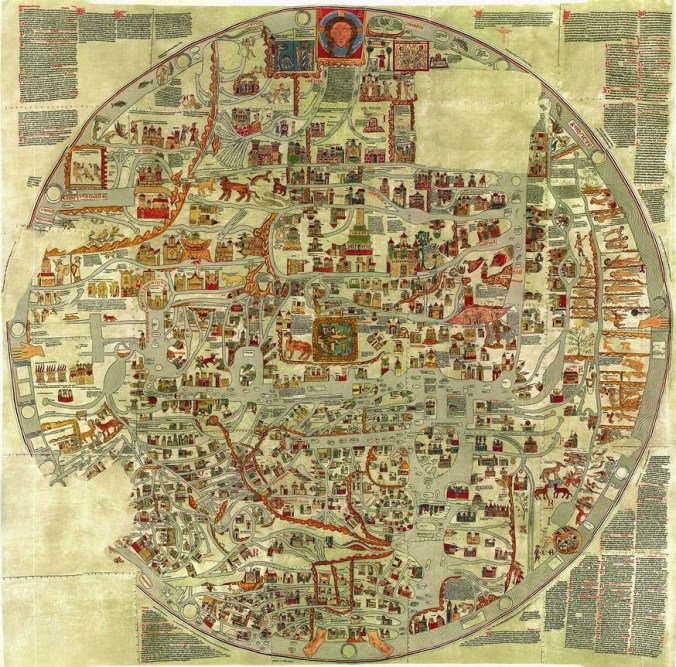
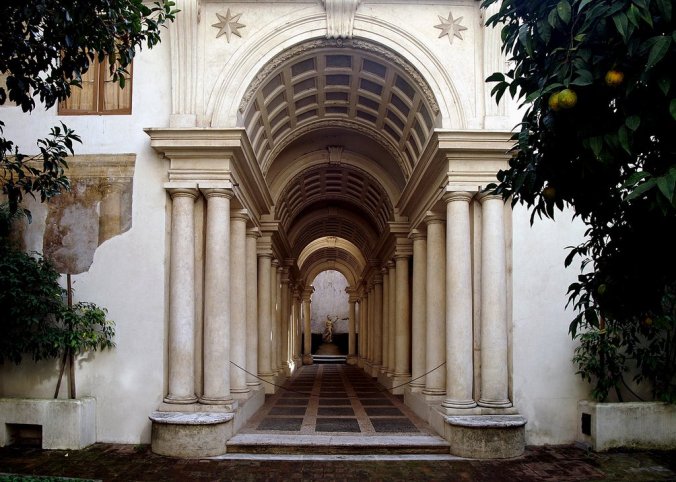
Perdersi equivale a una fuga da sé stessi, almeno temporanea. In questo blog proverò a tracciare alcune mappe di fuga sul filo delle mie curiosità e di quelle di altri viaggiatori, contemporanei o remoti.Sono le Vie di Fuga che facevano scattare le inquietudini dello scrittore Graham Greene. Lines of escape (o Lines of flight): quelle che secondo Gilles Deleuze e Felix Guattari definiscono la deterritorializzazione (parola astrusa in effetti!), i punti dove si svanisce, le terre selvagge dietro l’angolo di casa. Hic sunt dracones. Qui vivono ancora i draghi. Guarda caso, hanno lo stesso nome – linee di fuga appunto – i percorsi segreti utilizzati dai prigionieri evasi dai lager tedeschi durante la Seconda Guerra Mondiale per sparire agli occhi della Gestapo. Nei dipinti, nelle architetture degli artisti rinascimentali, il punto di fuga è dove convergono le linee della prospettiva: un’illusione, o un aggiustamento dell’occhio. L’isola di Lost o il Monte Analogo di Renè Daumal. Ma anche il bar alla moda nel quartiere improbabile, la spiaggia solitaria nel mare delle crociere. Potrebbe essere anche la strada strana, che, nella sosta di un viaggio, vi blocca, per un lungo momento, lo sguardo su un orizzonte oltre ogni carta geografica.
notes for irregular wanderings
I have got lost, sometimes, while travelling. Often it was intentional. I love the idea of losing myself, even in places I know well. But, in these cases, I always had a sort of Ariadne’s thread in my mind and legs that helped me to make sense of the confounding streets, squares and weird paths wherein I was proceeding. More seldom, I have got lost by accident. A default in my orientation skills, probably. In those occasions, my sense of bewilderment was total: I had no more point of reference, no more trace, no idea of where I was; it was as if palaces and alleys – it happened in cities mostly – had been shuffled by a hidden gambler. They have always been moments of anxiety. Moments of delight, too. As if I were at the gates of a brave new world.
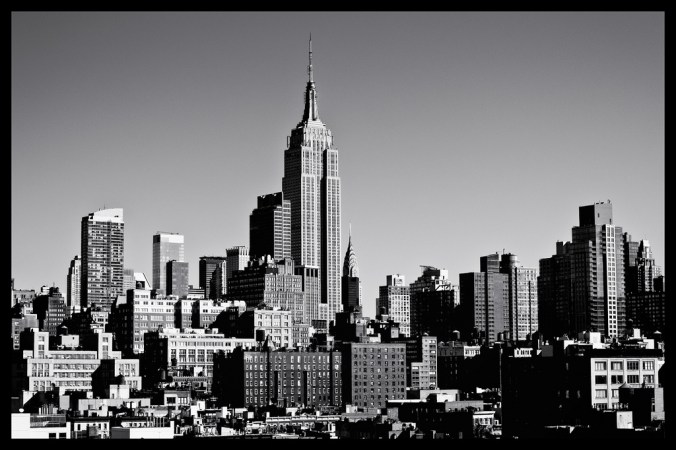
LET’S GET LOST
It happened one night in the historical center of Seville, a city I was familiar with. I got suddenly lost in the barrio San Bartolomé, bordering Santa Cruz, the neighbourhood where I used to live – in an alley as narrow as a loophole, which entered through an acute angle in Calle Sierpes. I was just walking out of a cafe, that was once an antiques shop and retained some old furniture of little value from the previous property on which the gorgeous sevillanas placed their cups, leaving shades of wine on the lustrous wood.
I just wanted to stroll, without direction. Soon the streets around me became strange and confused. I was wandering in a new city, a city my night senses never touched and watched. I spied the interiors of the patios, full of shadows, looking through the arabesqued grills, leaning on some palace’s facade I probably visited in the daylight. My inner bearings were in vacay. The small neighbourhood of San Bartolomé displays several wonders, among them, Casa de Pilatos, a palace of weird alchemic balance and beauty, like few others in the world. The mudejar style of the moorish decorators here jokes with the Italian renassaince architecture. Its hidden gardens tempt to meditation as to delight. A Sevillan legend says that the number of steps from the palace to the church of Cruz del Campo is the same of Via Crucis in ancient Jerusalem, from Ponzio Pilato residence to mount Calvary.
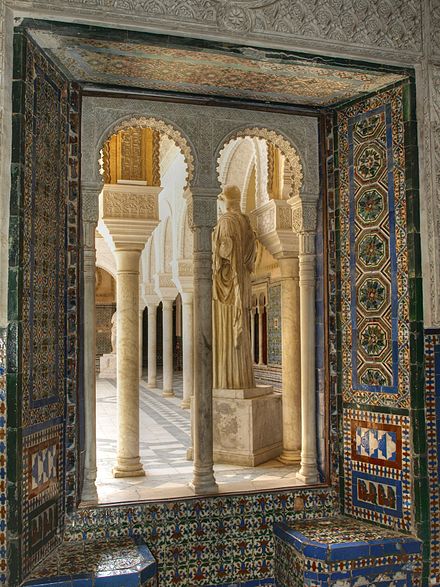
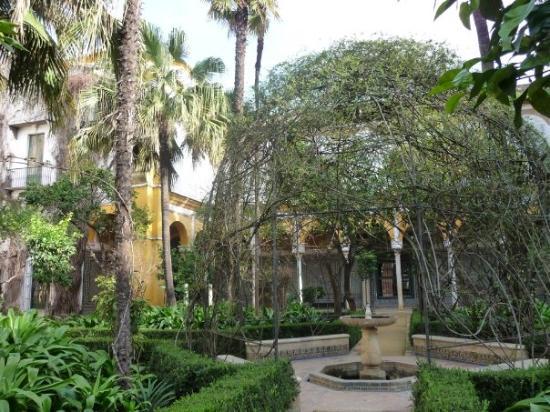
My wandering took me just by the side of this palace, which I recognized. The maze of unknown streets vanished in my mind as fast as it were built by some naughty faery. The map of Sevilla was again clear and open. In nearby calle Aguila there was a house where I wished to live my whole life. I stopped to breath by the walls that protect the secret, luscious gardens of Casa de Pilatos. I dreamed of some whispers from inside. I had the neat perception of the city of Sevilla, its theatrical squares, its sinous callejones that make voices and sounds bouncing from a house block to another. I had a vision of the whole city, fresh and wonderful, till my flat, where the duena, a widow of a flamenco composer, had covered the walls with photos of Camaron de La Isla, Estrellita Castro and other singers and manuscripted pages with the lyrics of her deceased husband.
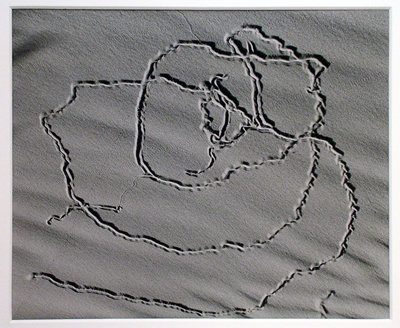
I got lost many times before this Sevillan story and many times after that, probably it is going to happen many other times in the future. I will be frank: I love to get lost and I love more when it happens suddenly, without plans. I hope to be always able to find my path again though. But there is something magic when streets, houses, even road signs got shuffled like gambler’s cards. It is a situation that excites curiosity. That pushes the boundaries to surprise. That obliges us to the wonder. To adventure. The best way of travelling for me.
WAYS OF ESCAPE
Even if temporary, getting lost means an escape from our usual selves. In this blog I will try to draw maps of escape, following my curiosities and the ones of other travellers, contemporary or remote. These are the Ways of Escape that made Graham Greene so creative and restless. Lines of escape (or lines of flight) are the lines that, according to Gilles Deleuze and Felix Guattari, define “deterritorializzation” (abstruse term indeed!). The lines of vanishment, the wilderness at the doorstep. Hic sunt dracones. Here be dragoons. Are there still uncharted areas in our google-mapped planet? I believe so. It is anything that create marvel and surprise. Lines of escape were incidentally named the secret tracks followed by the escapees from the lagers in the Nazi Europe. The vanishing point in the Renassaince paintings and architecture is a trick for the eye, where the perspective lines conjure an escape from the space. Vanishing point…It could be the time-shifting island of “Lost” or the “Mount Analogue” dreamed by Renè Daumal. The crazy fashion bar in a boring residential area; the white secluded beach that the cruise ship cannot see. It could be the weird long road that you stop watching at during a trip, that hypnotize your eyes for a while, beyond an uncharted horizon line.
 Ways of Escape