Santa Monica-Downtown Los Angeles, California, Usa
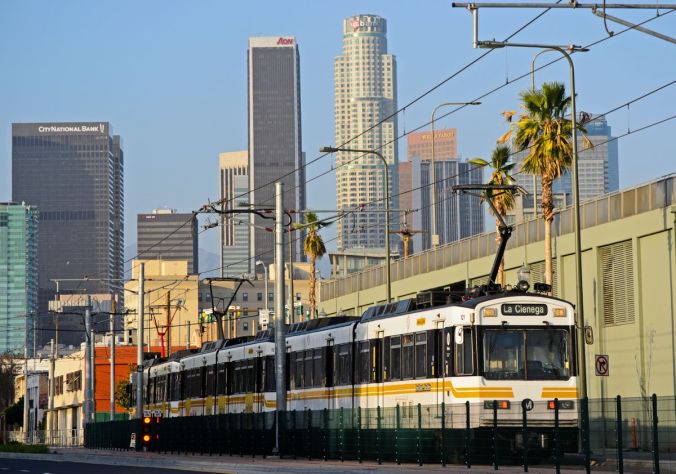
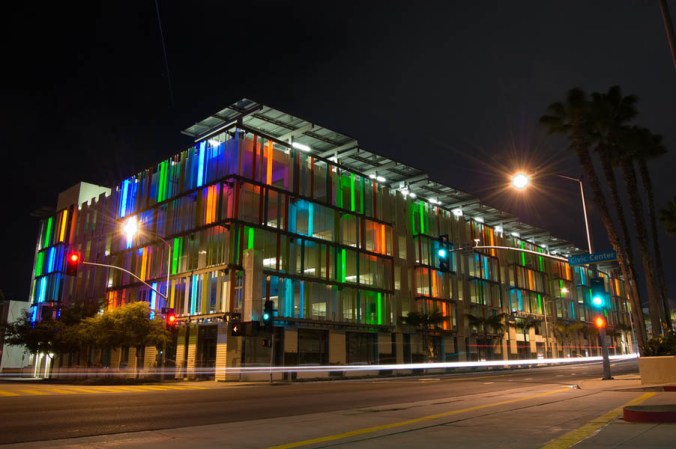
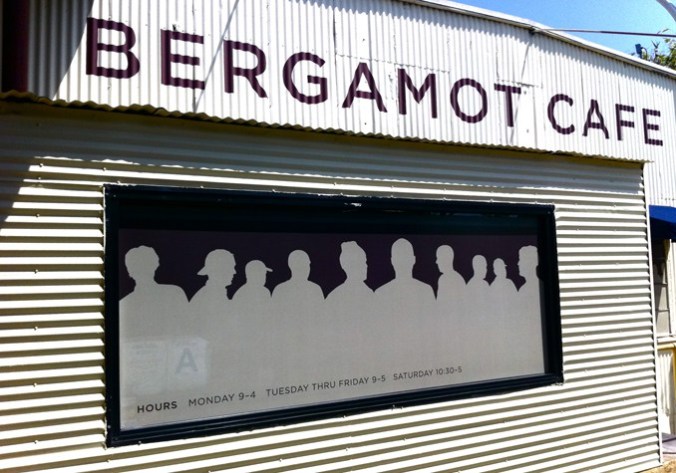
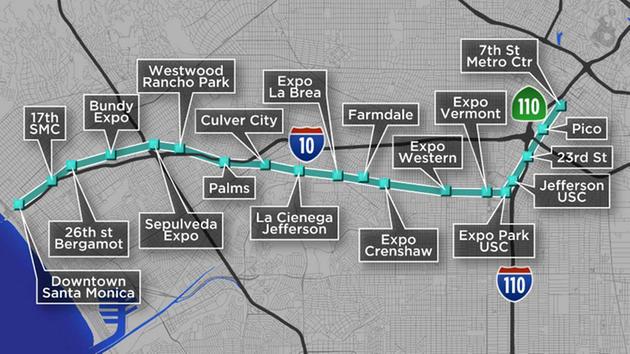
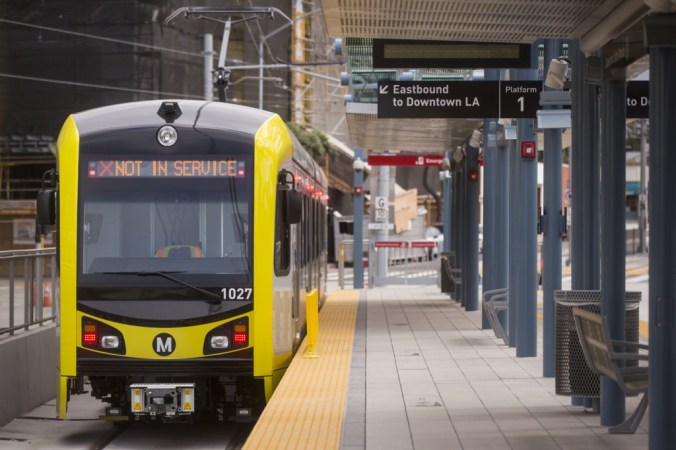
Treno che viene, museo che va. Succede nella vasta area metropolitana di Los Angeles, galassia urbana distesa dall’entroterra alle coste della California meridionale, dove le mappe delle ville delle star di Hollywood si affiancano a quelle dei “territori” delle bande ispaniche e afroamericane, la piccola Tailandia confina con una micro-Armenia, l’aria rarefatta dell’Ovest genera scosse elettriche sfiorando quella più densa dell’Est. Dalla primavera scorsa, la Downtown della Città degli Angeli è collegata alle spiagge di Santa Monica dalla Expo Line – linea ferroviaria metropolitana ripristinata dopo cinquant’anni – che corre dal Metro Center sulla 7ma strada fino a Colorado avenue, a pochi passi dall’oceano Pacifico. Due fermate prima del capolinea, il treno si ferma alla Bergamot Station, una stazione prima abbandonata, poi recuperata all’inizio degli anni ’90, e diventata un intricato villaggio boehemien di gallerie d’arte, studi di design e di fotografia ospitati negli ex-container e nei magazzini, trasformati in architetture funky-chic con terrazze di legno, scale, passaggi, piazzette.
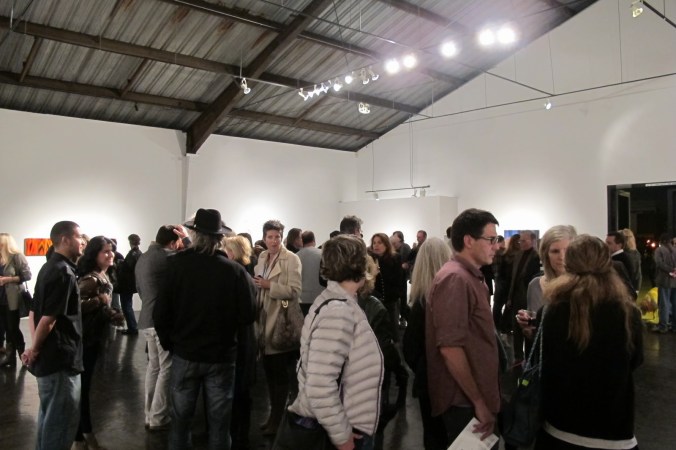
Una inaugurazione alla Turner gallery, Bergamot Station/Opening at the Turner Gallery
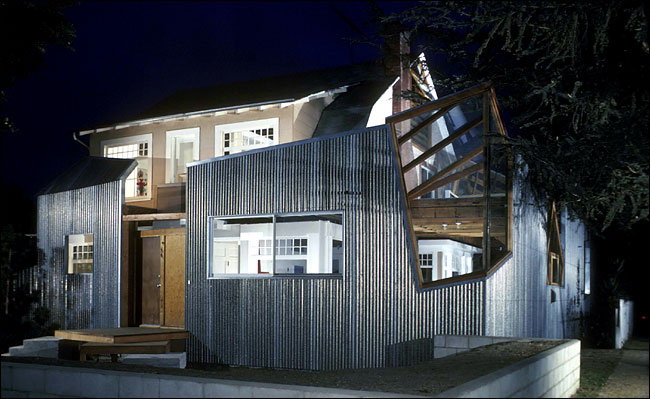
La casa di Frank Gehry a Santa Monica/ Frank Gehry house in Santa Monica
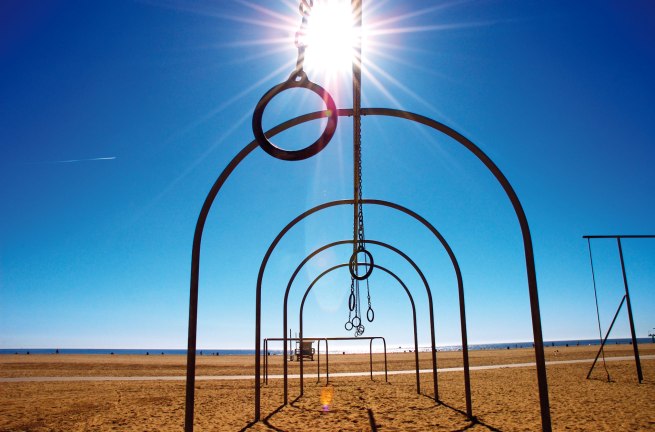
Muscle Beach, Santa Monica
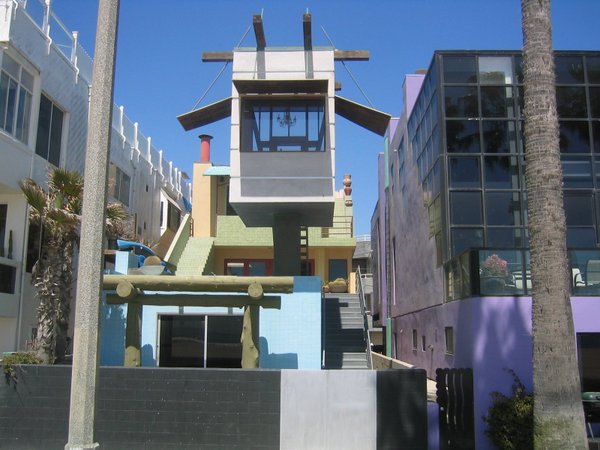
La Norton House progettata da Gehry sul lungomare di Venice beach/ Gehry designed Norton House in Venice Beach
Un’architettura spontanea che strizza l’occhio alle case della vicina Venice Beach ma anche ai progetti di Frank Gehry, che abita proprio a Santa Monica in una villa dove vetro, lastre di metallo corrugato e reti si sovrappongono al preesistente cottage in stile coloniale. Negli anni, la stazione dell’arte è diventata un’attrazione turistica e un fulcro creativo della West Coast americana, grazie anche a ottime mostre e spazi come Rose Gallery, Robert Berman e Bg Art Gallery. La Bergamot era anche la “patria” del Santa Monica Museum of Art, irriverente istituzione nota per le sue aste di arte anonima, in cui star come John Baldessari e Ed Ruscha mettevano le proprie opere all’incanto insieme a quelle di autori emergenti. Tutte senza targhetta. Si comprava quello che piaceva, per finanziare il museo. E, dati i prezzi di alcuni degli artisti partecipanti, gli acquisti potevano diventare vincite alla lotteria.
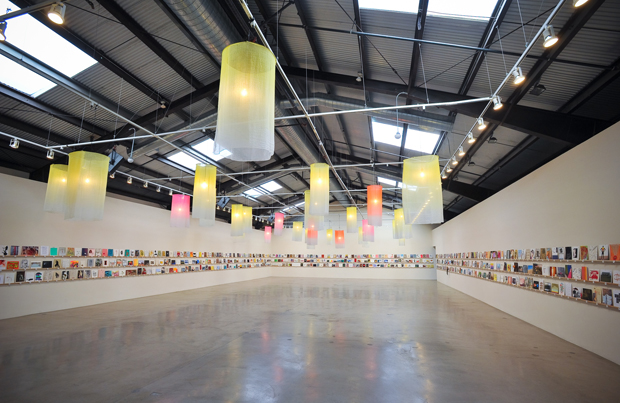
Anonymous Art Auction al SMMoA
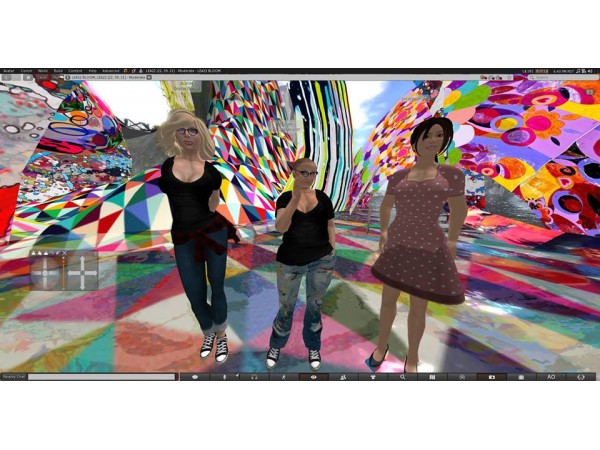
Performance digitale alla Bg gallery/Digital Performance at Bg gallery, Bergamot
Per divergenze sul futuro della Bergamot, il museo ora lascia la stazione. L’ultima asta si è tenuta più di un anno fa. Il SMMoA cambierà location e nome. Prende il treno per Downtown. Si chiamerà ICA LA (Institute of Contemporary Art Los Angeles) e dovrebbe aprire le porte la prossima primavera. La nuova casa del museo sarà una vecchia manifattura di abbigliamento, sulla 7ma east, nell’ Arts District di Downtown, dove si stanno concentrando, in spazi riconvertiti, gallerie, fondazioni, studi d’artista. Tra queste, spazi prestigiosi di New York, come Maccarone Gallery, che proprio ai margini di Downtown ha aperto la sua sede losangelina. A pochi isolati c’è il Broad Museum, inaugurato lo scorso anno, accanto alla Walt Disney Concert Hall di Frank Gehry, e di fronte al glorioso Moca, il museo di arte contemporanea di LA. Qui, sulla Grand Avenue, si dovrebbe creare, nel prossimo futuro, un viale delle arti en plein air: sculture, installazioni, performances – al riparo dal tremendo traffico losangelino. E un ponte pedonale potrebbe collegare il nuovo Broad al vecchio Moca.
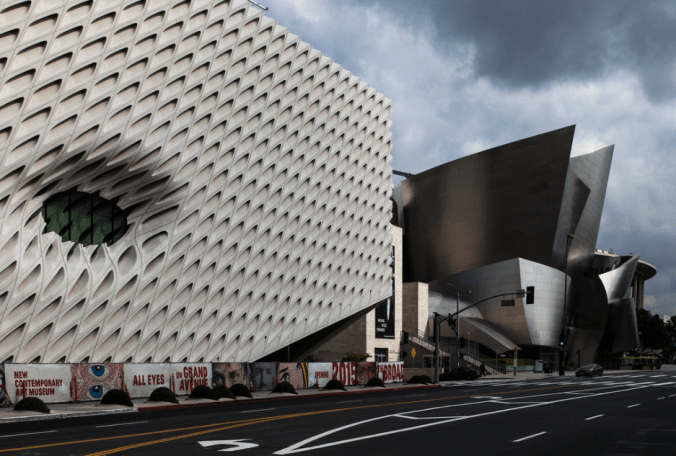
Il Broad Museum con la Walt Disney Concert Hall sulla Grand Avenue

Una veduta di Downtown Los Angeles con l’Ace Hotel/ Downtown LA and Ace Hotel

La top model Emily Ratajkowski a un opening alla UTA Artists Space nell’Arts District
La concentrazione di arte e architettura – circondata da ristoranti di tendenza, alberghi di lusso, come l’Ace Hotel con il teatro restaurato della United Artists, oggi palcoscenico per band rock e avanguardia elettronica – sta facendo decollare la Città dei Kolossal, come set per l’arte contemporanea. In competizione con New York, visti gli spazi interessanti e i prezzi competitivi nella zona est di LA e a North Hollywood. Poi, a Los Angeles, ci sono le spiagge e il clima della California. E qui torniamo alla Expo Line e alla Bergamot. La stazione dell’arte ha perso un’occasione lasciando andare il museo? Forse. Però può rimanere in corsa non perdendo il treno. La ferrovia oggi fa da nastro trasmettitore a questa inedita scena artistica. Che prima l’intasamento delle freeways rendeva difficilmente percorribile. La Bergamot è ambita dalla UCLA, il grande campus californiano: il regista teatrale Peter Sellars ha proposto un think tank culturale tra i container della stazione. Sulla costa, ci sono le ville dei grandi architetti del MidCentury Modern, come Richard Neutra, Ero Saarinen e gli Eames. Dimore private e fondazioni già molto usate come set per fashion shooting, luoghi ideali per manifestazioni temporanee di arte. Sulla Expo Line, anche la fermata di Rancho Park-Westwood ha “coincidenze” artistiche, l’Hammer Museum è poco lontano così come il campus dell’Università della California, che dispone di propri spazi espositivi e ha in esposizione permanente il grande Cretto Nero di Alberto Burri. Le stesse fermate sono diventate vetrine semi-permanenti per artisti del sud della California. Come Abel Alejandre e Judithe Hernandez, quest’ultima al capolinea sul Pacifico. È curioso: nella città più “on the road”, auto-dipendente d’America, toccherà proprio a un treno trasportare i nuovi fermenti della cultura.
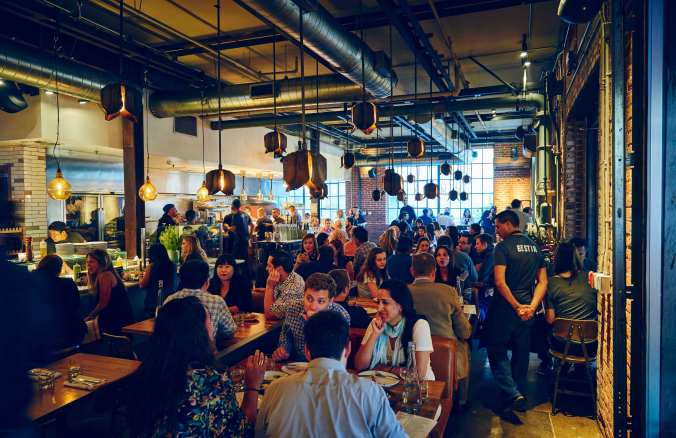
Bestia, eaterie alla moda vicino l’Arts District
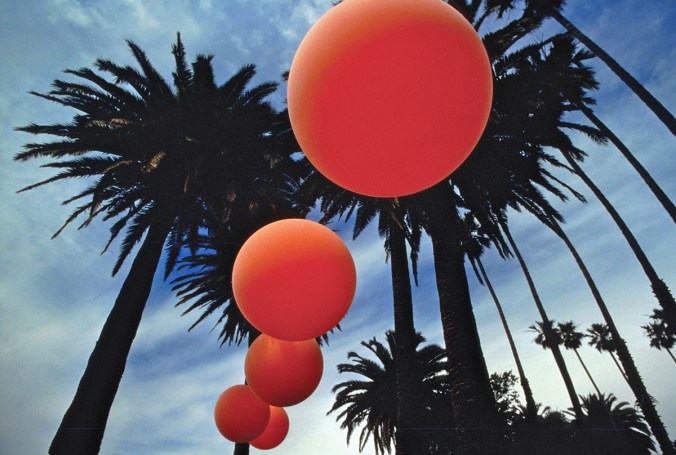
Installazione d’arte Five Orange Baloons a Santa Monica/Art Installation in Santa Monica
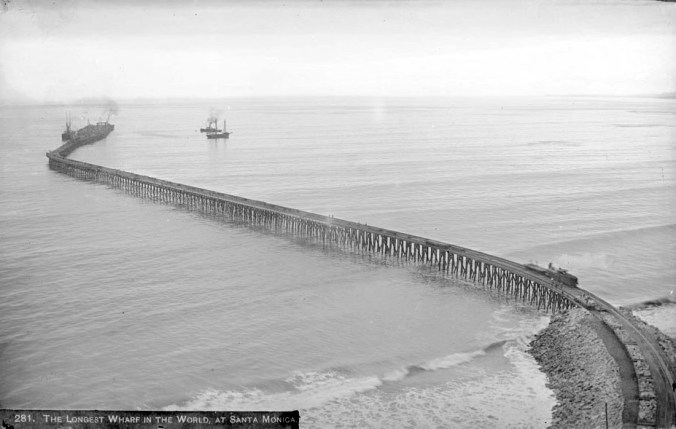
Quando la ferrovia si bagnava nell’oceano/When the trains went straight into the ocean
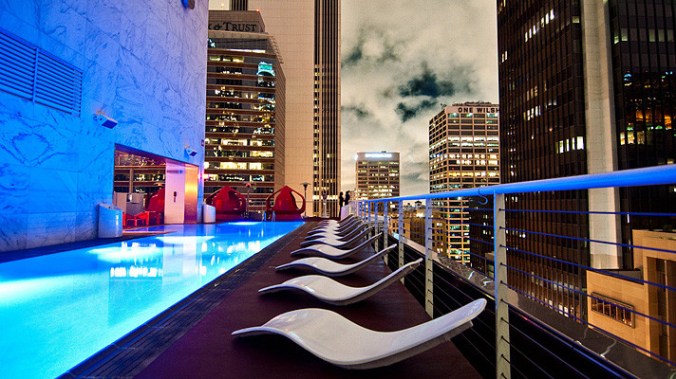
Piscina con vista allo Standard Hotel/Pool with a view at The Standard Downtown
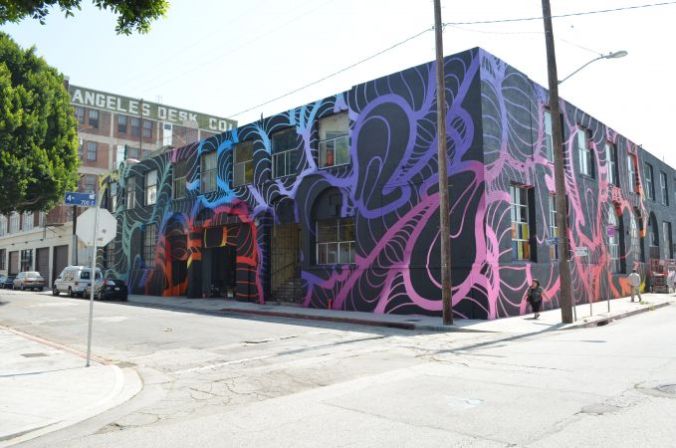
Street Art, Arts District
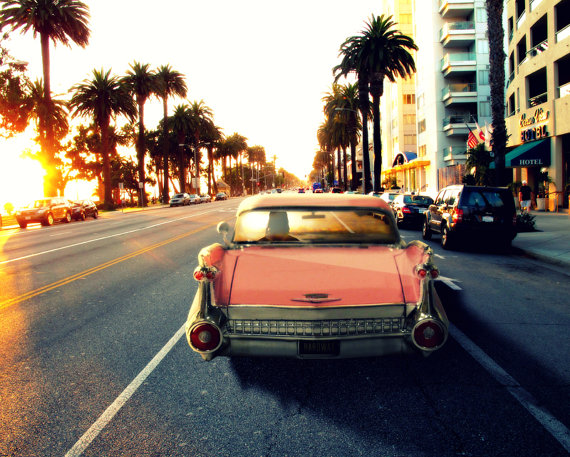
Ocean Avenue, Santa Monica
ART STOPS

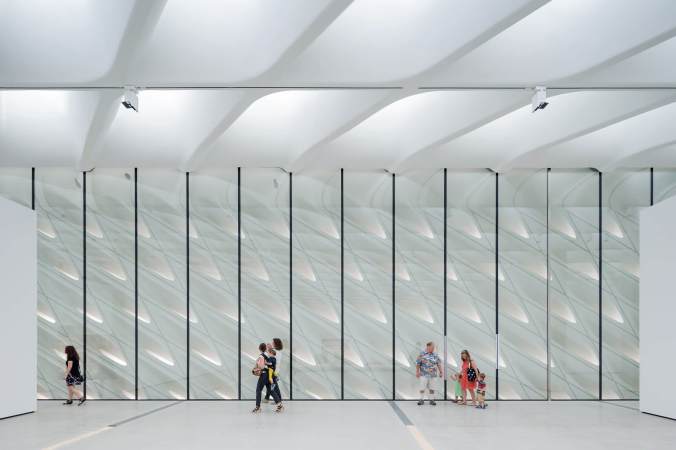
All’interno del Broad Museum in Downtown LA/Inside Broad Museum, Downtown LA
Oh Los Angeles, never the same: a train comes, a museum goes. Or it just changes of address. All happens along a rail – better say, close to it. We can open the scene in Santa Monica, once the Gold Coast of the rich & famous Hollywood pack, the likes of Cary Grant and Darryl Zanuck; now again one of the most desired location in LA area, populated by the cool &smooth affluent-influent class, from Frank Gehry to Jaimie Lee Curtis.
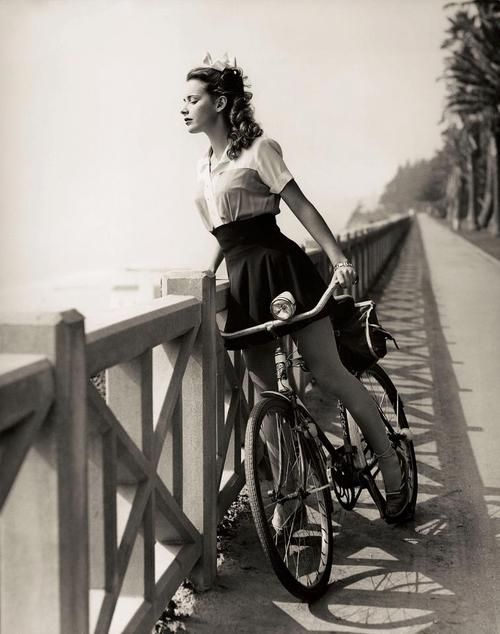
una foto vintage dai bluffs di Santa Monica/Vintage image in Santa Monica Bluffs

Una performance artistica alla Bergamot Station
In Santa Monica – between Olympic boulevard and Michigan avenue – is the Bergamot Station, a place that lived several lives: before a train station, then an artist compound, and now both, with trains running close to renowned art galleries like Robert Berman, Rose Gallery and Bg Art. Since last Spring, the revived Expo Line connects the beaches of Santa Monica with the very hip Los Angeles Downtown. You can take the train at the Metro Center on East 7th and get out on Colorado avenue, few steps from the ocean (the Bergamot station is two stops, or a stroll, from Colorado). In a way, it is a small urban revolution. Not only for the crazed Losangelinos commuters. But for the cultural spirit of the city of Angels. The renewed Downtown scene is not only new bars, trendy hotel rooftops and loft buildings. The opening of the Broad Museum, last year, attracted galleries and artist around Bunker hill, as to say, the old epicenter of the city. A Boulevard of Arts is on the charts, from the Gehry’s Walt Disney Concert Hall to the Moca (Museum of Contemporary Arts), that could be connected to the Broad through a flying bridge. The warehouses of the Arts District have been converted to multi-space purposes, a start-up office has often a gallery or an artist studio as a neighbor. The cool Soho House is opening his second location in LA in the neighborhood, with a rooftop pool. Famous art galleries from New York are chasing spaces here as well as East Coast artist are moving to LA for better climate and rents.
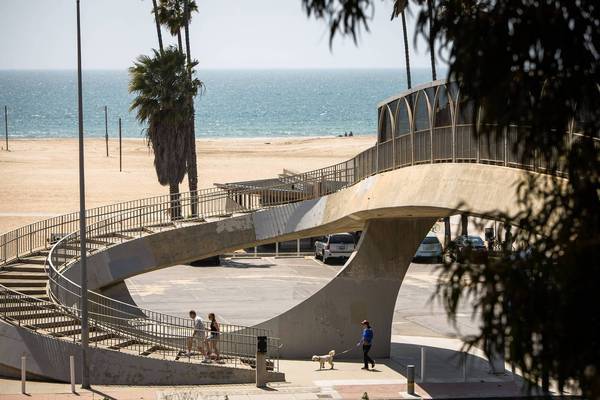
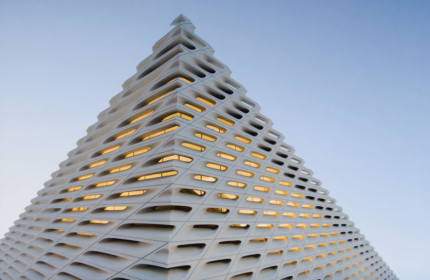
The Broad
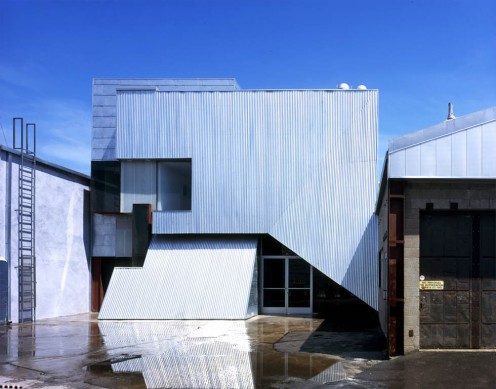
Bergamot Art Station
In this perspective, the trains of the Expo Line put in touch the rarefied air of the West with the electric and eclectic atmosphere in Downtown, the Broad with the Bergamot, making easier for any art aficionado to cross the urban jungle almost with ease – always being the car traffic the big headache in Los Angeles. Bergamot was also home of Santa Monica Museum of Art for almost two decades. The SMMoA is known for some daring exhibitions, for exploring artistic grounds and for the anonymous art sales where stars like Ed Ruscha and John Baldessari went auctioned without labels along with lesser known artist. The buyer got what he liked, no influences. Now the museum is getting the train too. Direction Downtown, Arts District. The change of address (and name, probably in ICA LA) was due to disagreement and arguments about the future of the Art Station. Galleries were afraid to be dwarfed by mega-projects that included super hotels and mega parking lots. The Bergamot crowd is very affectionate to the station character, a mix of railway backyard and spontaneous architecture that remind partly the houses in the near Venice beach and Gehry iconic and metabolic architecture.
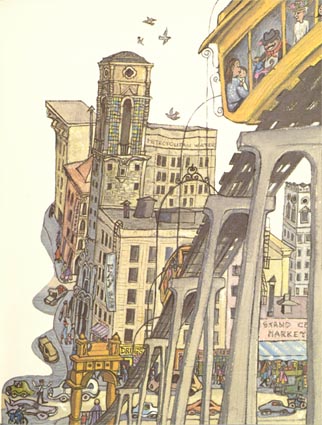
Il Los Angeles Flight nella vecchia Downtown in un’illustrazione di Leo Politi/Los Angeles Flight in old Downtown, illustration by Leo Politi
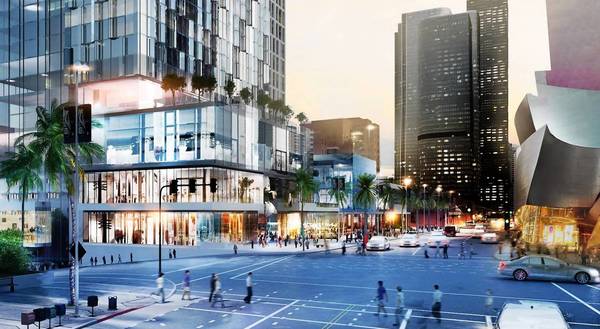
Un rendering d’artista della futura GrandAvenue/A rendering of future developments on Grand Avenue, LA
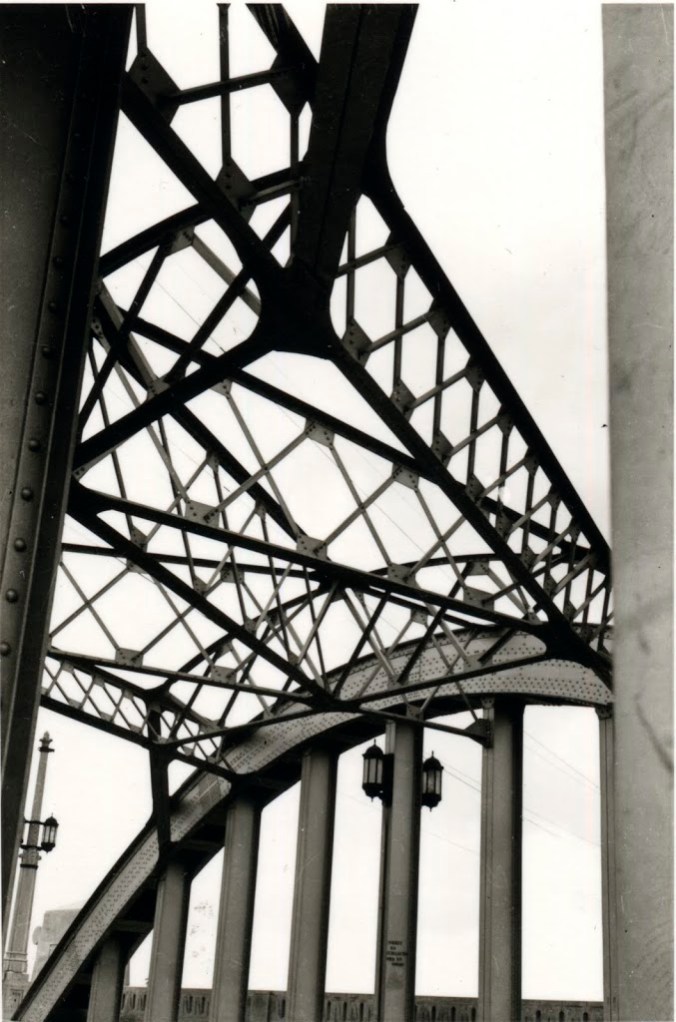
Santa Monica, il ponte sulla 6a strada in una foto di Julius Shulman/Bridge on 6th street Santa Monica in a photo by Julius Shulman
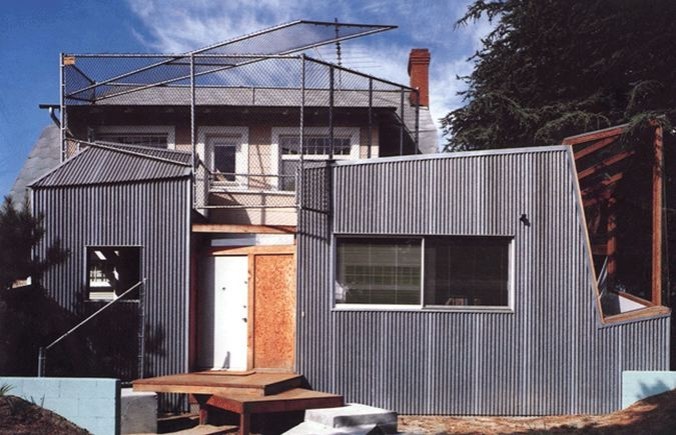
Frank Gehry house, Santa Monica
If the museum is gone, other institutions can find a place at the Bergamot: Peter Sellars wants to create a UCLA think tank based there. Every station today showcase and promote South Californian artists: from Shizu Saldamando at Palms Station to Judithe Hernandez in Downtown Santa Monica Station. There are other art connections along the Expo Line: the Hammer Museum is not far from Rancho Park-Westwood for instance. The big Alberto Burri’s black Cretto is on permanent display on a wall of the UCLA campus. Somebody is thinking to create art trains or to rent the beautiful modernist homes along the coast as temporary art spaces. Strangely, in a city born “on the road”, where cars are part of the identity, it could be a train to transport a cultural revolution.
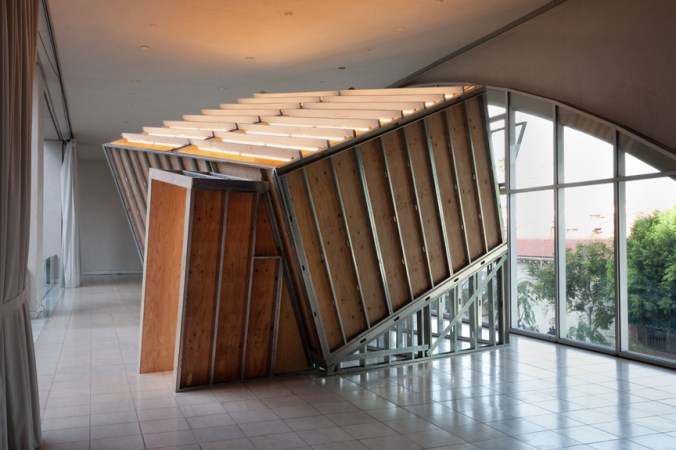
Installazione all’Hammer Museum/Art Installation, Hammer Museum
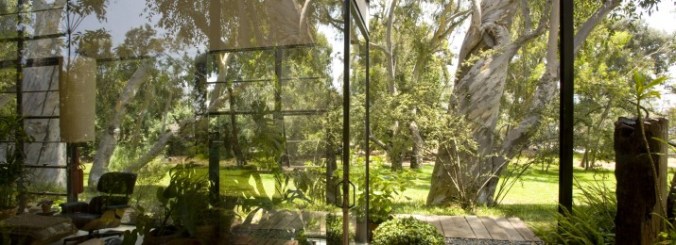
Eames House Foundation, Pacific Palisades, a modernist icon
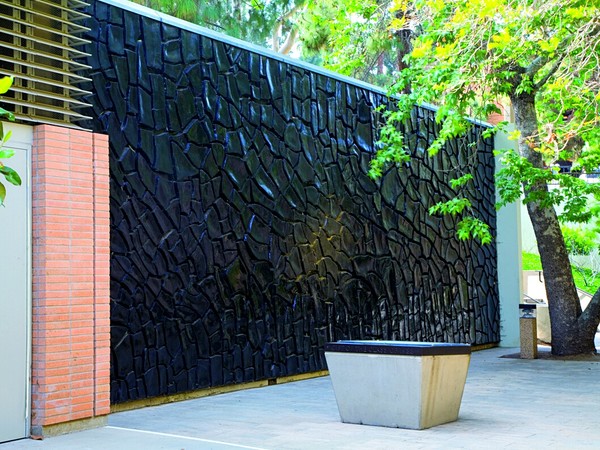
Alberto Burri, Grande Cretto Nero at Franklin D. Murphy Sculpture Garden, UCLA
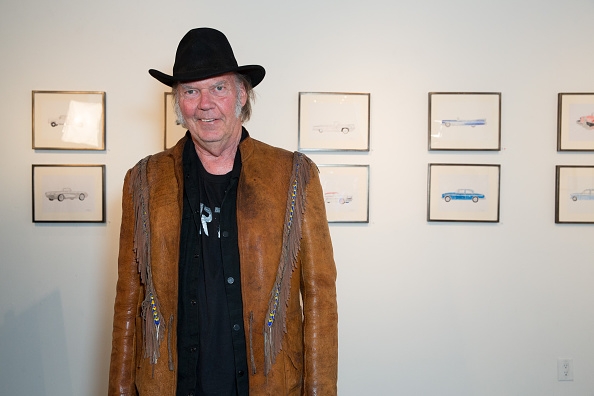
Neil Young alla Robert Berman Gallery/Neil Young at Robert Berman Gallery, Bergamot Station

Adios, by Ed Ruscha
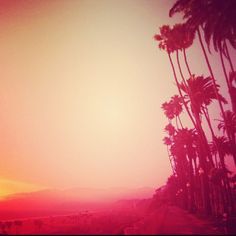
Sunset on Palisades Park, Santa Monica
 Ways of Escape