Mondo
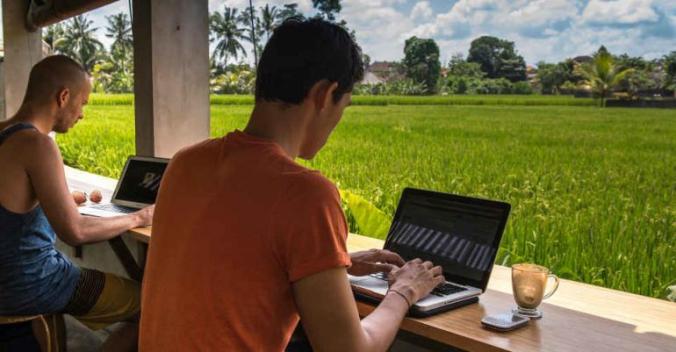
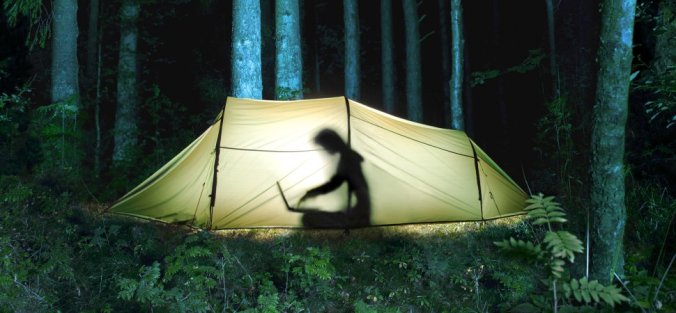
La prima cosa che mettono in valigia è il computer. Piatto, ultraleggero, ovviamente portatile. Un po’ di memoria aggiuntiva non guasta. Poi uno smartphone ultima generazione, drive, batterie esterne, per i maniaci anche un tablet. Per il resto, i Nomadi Digitali viaggiano leggero. Magliette, jeans, sneaker confortevoli, costumi da bagno, infradito, qualche camicia e cravatta o foulard d’affezione. Una sahariana. I più romantici trovano il posto per qualche vecchia guida e un taccuino stile moleskine. C’è chi spedisce la tavola da surf. I completi eleganti li affittano in loco, quando servono. Le case se le sfilano di dosso, come le giacche. La vita deve essere leggera. Come i byte. Come l’anima.
I nomadi digitali sono l’ultima generazioni di viaggiatori globali, a tempo inderteminato. Quelli che non vogliono tornare. Che se tornano a casa, come il vecchio Sal Paradise di Jack Kerouac, hanno subito voglia di rimettersi sulla strada. Invece di lavorare come frenatori delle ferrovie come faceva Neil Cassady, hanno dimestichezza con gli aeroporti internazionali, con gli Internet cafè e gli spazi di coworking possibilmente a distanza di passeggiata dalla spiaggia. “Non troppo vicini, altrimenti non si lavora” sospira Oliver, irlandese del nord, che si gode i suoi vent’anni in giro per il sud-est asiatico. Per sponsorizzare i suoi viaggi elabora pagine di pubblicità sul web che trasmette ai suoi clienti attraverso un’applicazione ad hoc.
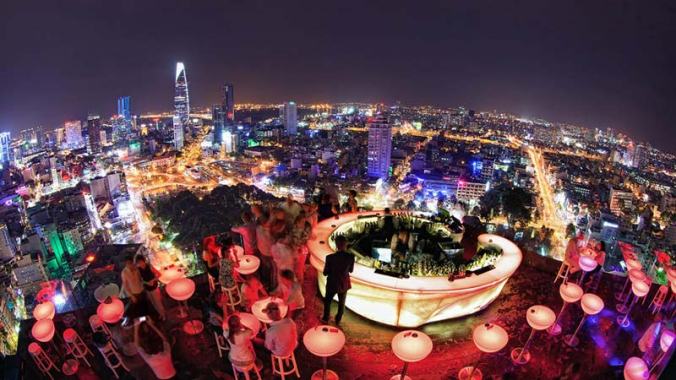
Sky Bar, Ho Chi Min City

Ufficio da sogno, ma la maggior parte dei Digital Nomads preferisce un Internet cafè, purché vicino la spiaggia/ Dream office, the reality more often is an Internet cafe or a coworking space, not far from the beach rhough
Sono una tribù dispersa lungo i paralleli e i meridiani. Meno mistici degli hippies degli anni ’60, più sofisticati dei backpackers degli anni ’90 – la generazione Lonely Planet – hanno l’irrequietudine scafata dei millennials. “Non era il posto fisso a tormentarmi, ma il luogo fisso!” dice Valerio Plessi, nato e cresciuto a Bologna, studi e master tra gli Usa e Bruxelles, cinque anni di lavoro come ingegnere informatico a Londra. Stipendio buono. Vita regolare. Competizione serrata sul lavoro. A un certo punto decide che non ne può più dei cieli grigi e dell’ansia da prestazione professionale. Carica lo zaino in spalla e parte per il Sud America. In qualche punto della mappa, tra la foresta amazzonica e le Ande, decide di cambiar vita. Oggi è uno zingaro hi-tech. Meno soldi, meno spese.
I nuovi nomadi viaggiano in luoghi dove il costo della vita è relativamente basso e la connessione Internet è veloce. Una delle destinazioni preferite è il sud-est asiatico, per la combinazione di spiagge, nightlife, servizi tecnologici, economie e culture emergenti. Così questi gypsies geeks si ritrovano tra le luci frastagliate dello Sky bar di Ho Chi Min City, la vecchia Saigon degli intrighi e delle bombe nei bar. O al raduno DNX (Digital Nomad Conference), che si è tenuto dello scorso marzo, con workshop e conferenze. In Thailandia ci sono camping di lavoro attrezzatissimi. Singapore è gettonata per l’alta concentrazione di incubatori e acceleratori di start up. Si avvia un progetto. Ci si ferma un po’. E poi si riparte. A Nias, a largo di Sumatra, per una pausa da surf. In Cambogia per una consulenza turistica ad un tour operator nella giungla. A Tokyo per un nuovo locale. A Bali per un cocktail sulla spiaggia. Oppure si cambia scenario e continente. Amsterdam, Capetown o il deserto di Acatama, suggeriti dalla guida Web Work Travel, compilata dal nomade digitale Joahnnes Voelkner per i nomadi principianti.
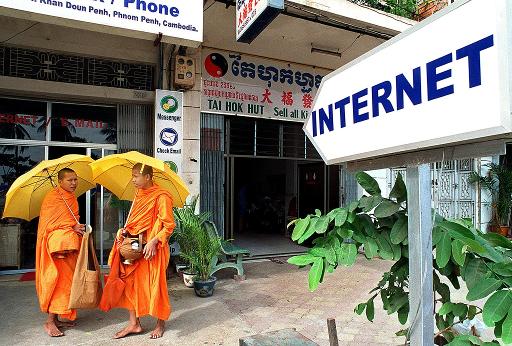
Quella di Voelkner non è l’unica guida. Sul web si trovano manuali pratici e racconti umoristici, ricettari e recensioni di caffè, ristoranti, cibo da strada e strade da gourmet. Naturalmente, sono molte le dritte per spiagge più o meno segrete. I nomadi digitali vivono anche così, gestendo blog di viaggi, scrivendo libri e guide, conquistando followers su Instagram e consulenze. Ma i settori di lavoro sono vari, dagli sviluppatori di siti Internet ai produttori musicali che cercano nuove miscele sonore per le loro etichette, editori digitali, consulenti immobiliari che individuano location per resort ecologici. Perfino psicologi, che fanno le loro sedute su skype, e architetti, che passano da un miniappartamento a Hong Kong al cantiere di un albergo in Indonesia. Qualche sociologo ha individuato i Digital Nomads come la punta di una nuova economia fluida e mobile. Anche la classica divisione tra lavoro e tempo libero salta. Come applicarla a chi vive in un continuum di vacanza-lavoro? Tutti però hanno bisogno di una pausa. Anche i nomadi digitali. “Di recente, ho preso un break per fare immersioni nelle isole Togean in Indonesia” racconta Stuart McDonald, che gestisce Travelfish, un sito per la pianificazione dei viaggi nel Sud-est asiatico. “La cosa che mi è piaciuta di più? L’assenza di Internet”.
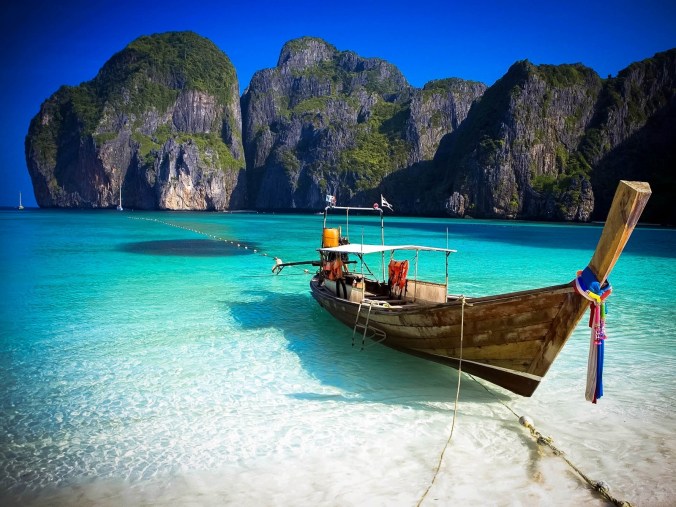
Ormeggio a Ko Phi Phi/Break at Phi Phi island

Hong Kong Street Food
NOMADS GONE DIGITAL
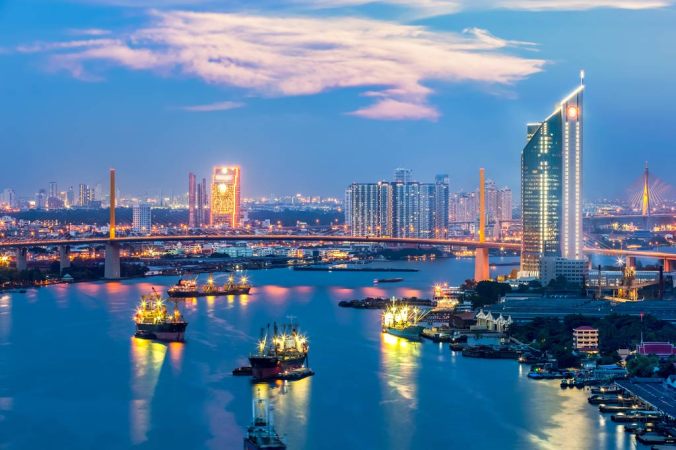
Bangkok, una delle mete preferite dei Nomadi Digitali/Bangkok a Digital Nomads hub
In many travel bags today, laptops matter. More than clothes. That is surely the case when it comes to a Digital Nomad to prepare the suitcase: the tech gear is ultraflat, ultralight, the memory expanded, applications and software updated. Shirts instead may be worn, shoes are confortable, more often sneakers, sunglasses are a must, pants are denim or khaki. Dandies suites or cocktail dresses can be rented along the way or tailored on site by some ubiquitous Indian guy.
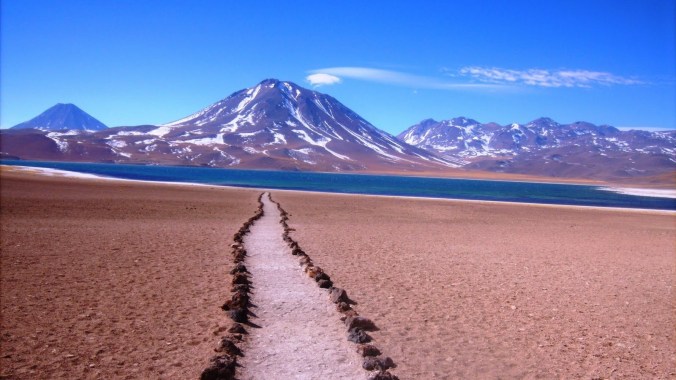
Il deserto di Acatama, in Cile, sulla mappa dei Nomadi Digitali/ Acatama Desert, Chile a Tech Nomads destination
Well, who is a Digital Nomad? Not only a person who cares about a strategic pocket for computers in a bag. Members of a contemporary tribe scattered around a globe, they have no residence but an email address (we can also consider Facebook, Instagram, Twitter, Snapchat, Skype, FaceTime and many of the other available social media accounts) and chose to change their office for an online platform like Upwork. They opted for a different lifestyle: working and travelling, all together. All they need to work is a fast Internet connection. To live – they go for destinations where the cost of life is low, the pace is slow and economic opportunities are around. A beach at walking distance is a benefit. They change houses with the same easiness they change dresses. “World is my office” is their motto. Travel must be light. Like bytes. Life has to be light. Like a happy soul.

Hanalei Reponty, modella vagabonda, blogger, surfer e designer di costumi/The wandering model Hanalei Reponty is also a blogger, swimsuite designer and professional surfer
These souls may not be always happy, but they are restless and curious. Among their favorite destinations is South East and Far East Asia for the combination of easy-tech, inspiring beaches, wilderness at the doorstep and affordable living. Great, strange food is another magnet. Many Digital Nomads love to write about food experience in their blogs. From food stalls to gourmet restaurants when they can afford to dine there. In Ho Chi Min City, Old Saigon, they wander from one Internet cafe to another, to storm the Sky Bar in the evening. Bangkok is probably the Nomad Digital capital (if nomadic people can have a capital), with the annual DNX Conference, the workshops for professional travellers, the large expats community, and why not, techno music and sex temptations. Easy to fly to a dreamy beach from there, or reach the green hills of Chiang Mai, where the DN have camps to work together, tent by tent. For serious business, there is Singapore, with hundreds of incubators and accelerators for young mobile enterpreneurs. Or Tokyo and Hong Kong, where the boys can try to chase big money opportunities. They swift from a tailored suite to surf gear, from Kuala Lumpur towers to Nias waves, off Sumatra west coast. They write blogs from the wild forest in Papua New Guinea and sip energy cocktails in Bondi beach, Sydney, to give ideas to a travel operator.
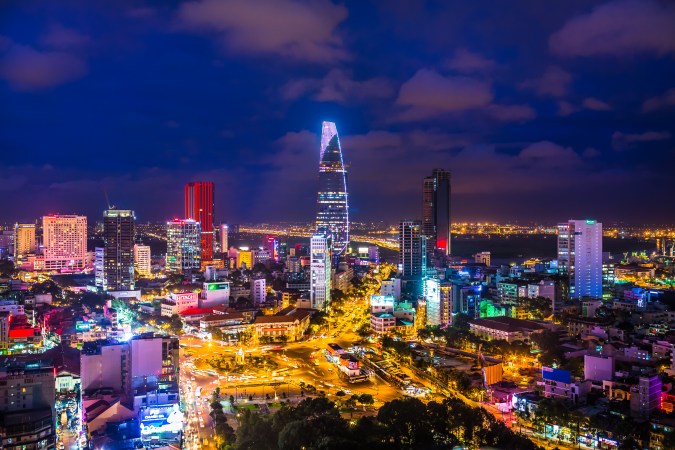
Le luci di Ho Chi Min City/Lights of Ho Chi Minh City
The guide Web Work Travel , written by the German digital nomad Johannes Voelkner suggests various place around the world, beyond East Asia. From Amsterdam to Capetown to Acatama desert in Chile (where, yes, you can find a good wifi). All Nomads friendly places. Voelkner’s guide is one – a good one – among many you can read online or in print these days. Always updated with stories. It is a different travelling world from hippies in the ‘70s or the backpackers in the ‘90s with their Lonely Planet books in the bag pocket. The millennials nomads write their own guides. It is a way to earn money. As much as to find curious food recipes. To put in a blog. There are various fields of work in the tribe: music producers, street fashion photographers, bar tenders, model bloggers, movie directors and make-up artists. Even psychologists who give a consult on skype and architects elaborating projects from a room with a view and flying to check a readaptation of an apartment in Hong Kong or the building of an eco-resort in the Philippines. “Working by the water is distracting” tells Olivier a North Irish digital nomad in his twenties, but not an absolute beginner. He develops ads for the web and sell them online. “But one of the thing I love is to walk to beach, when I finish to work” he stresses. Olivier moved from Vietnam to Bondi, Sydney. He is planning something in south of Japan now. Or Hawaii. Ideas and jobs are in the air. Some social insider guess that the tech nomads are an avant-garde of a more global fluid economy, surely the dicotomy between work and vacation seems obsolete at these latitudes. Even digital gypsies need a pause though. “Recently I got a break to go to the Togeans islands in Indonesia for diving” tells Stuart McDonald who owns Travelfish, a website on travel planning in South East Asia. “What I liked more? There is no Internet at all, there”.

Sulle rive dell’isola di Nias/On Nias shore

La pubblicità di un campo per Nomadi Digitali/An ad of a coworking and coliving camp for Digital Nomads
 Ways of Escape