Budapest, Ungheria
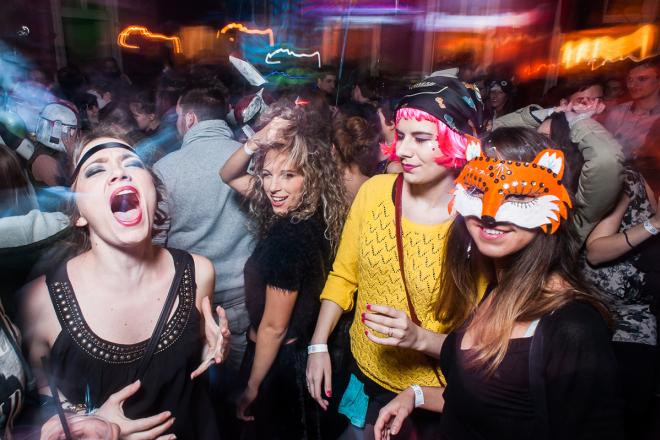 Entrare in un ruin pub di Budapest è come scivolare dietro le quinte di una elaborata scenografia teatrale. Forse perché la città sul Danubio mi è sempre sembrata uno scenario di illusioni e un palcoscenico per illusionisti (il mago Harry Houdini, all’anagrafe ungherese Erik Weisz, è nato qui). L’architettura ha la sua parte nell’effetto: bastioni medievali ricostruiti a Buda, rovine romane a Obuda, liberty sfacciato e sfaccettato a Pest. Quando sale la nebbia dal fiume, la sensazione di irrealtà aumenta, ed è come trovarsi all’interno dei bagni Szécheneyi al parco Varosliget, nell’atmosfera d’ovatta, ma senza il tepore.
I ruin pub, in ungherese romkocsma, si inseriscono bene nel contesto. Non sono dei bar in rovina, ma bar nelle rovine; o meglio, dei locali che aprono in spazi abbandonati. Almeno gli originali. Li trovi in un massiccio edificio in stile sovietico, o affacciati all’interno del cortile di un palazzo art noveau, a pochi passi da Andrassy Ut, il viale più famoso e sfuggente della Mitteleuropa. I loro indirizzi sono sparsi per la città: in periferia e nel centralissimo quinto distretto; nel vecchio quartiere ebraico, il modaiolo VII, o nel selvaggio VIII, dove capita di ballare l’electro-gipsy, versione elettronica e accelerata della tradizionale musica tzigana. Alcuni durano pochi mesi. Altri, come l’ Instant, nel VI distretto (celebre per la sua stanza sottosopra), hanno l’aplomb dell’istituzione. Con gallerie d’arte e centri culturali. Alcuni sono diventati turistici, per esempio il Szimpla Kert, nel VII, ancora interessante. Talvolta offrono serate folli, come capita al Fogas Haz, sempre nel quartiere ebraico. Certi si spostano: aprono a primavera, chiudono all’inizio d’autunno – alla fine dell’inverno li ritrovi in un altro quartiere, stesse poltrone, facce simili, bancone diverso.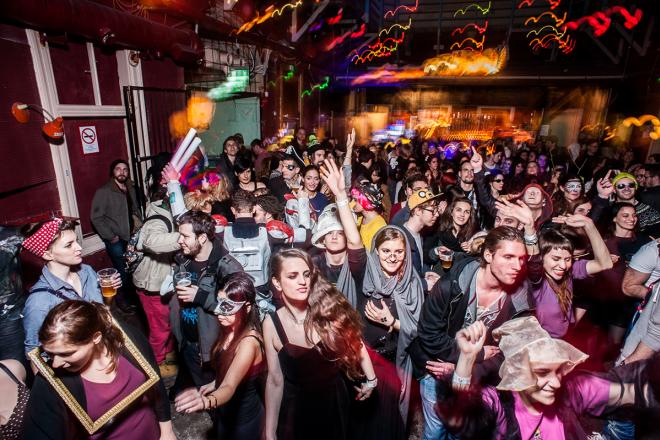
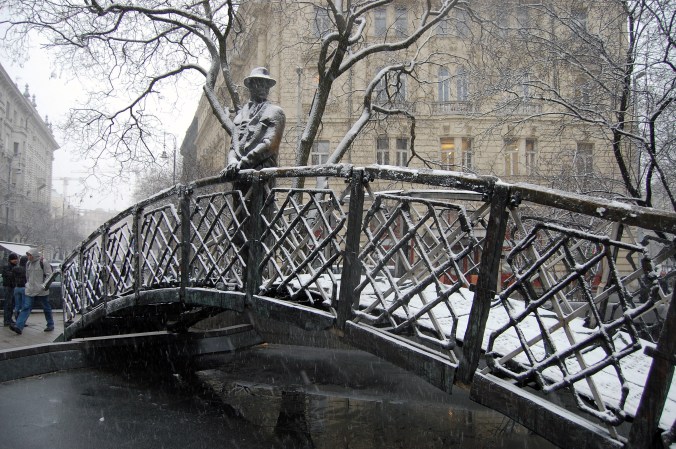
Su Andrassy Ut/Strolling on Andrassy avenue
Bar nomadi, che si accampano, slittando nella topografia di Budapest, da un seminterrato a una soffitta. Tra i più bohemien-chic, il Puder nel IX distretto, decorato da artisti, curato con eleganza scapigliata. I writers invece si sono esercitati con i graffiti sulle scale per il Corvinteto (VII), roof top in cima a un supermercato, dove i cocktail viaggiano pure sull’ascensore. Ora che nel centro di Pest le rovine vengono rimosse e le case ristrutturate, i bar delle rovine si spostano per trovare isolati non ancora sfiorati dalla gentrification. In una fabbrica abbandonata, come R33 nel IX distretto. In costruzioni fatiscenti dell’ottavo, dove si ascolta lo stesso punk e hard rock dell’est Europa, che mi capitò di sentire anni fa al Bulgarian bar di New York, sulla Broadway. In uno di questi luoghi, che tratteneva l’aria clandestina dei primi romkocsma, servivano la terrificante vodka polacca Spyritus, un gin ignoto, un liquore di erbe ungheresi e dell’assenzio color verde oro. Prima di uscire, era imperativo graffiare sul bancone una scritta nella propria lingua madre: “Prometto di dimenticare”. Tutto, incluso l’indirizzo.

Una festa al Fogas Haz/A party in the Fogas Haz
THE RUIN PUBS OF BUDAPEST
Getting into a ruin pub in Budapest is like to slip behind the scenes of a theatre stage. Maybe because the city on the Danube was always to my eyes a scenery of illusions and a stage for illusionists (the magician Harry Houdini was born here by the Hungarian name of Erik Weisz). Architecture plays its part in the general effect: medieval styled but newly built ramparts in Buda, real ancient Roman ruins in Obuda, hectic, outrageously beautiful liberty buildings in Pest. When the mist rises from the river, a sensation of irreality also increases, and it is like to find yourself inside the Szécheneyi Baths in Varosliget park, same atmosphere, full of wadding, same strange mistery – except for the warmth.

The ruin pubs, romkocsma in Hungarian language, fit well this context. They are not ruined or decayed pubs, they are pubs inside ruined buildings. Better, these are places that installed themselves – drinks, music, art and fun – in the abandoned spaces of Budapest. Squatter pubs, we could say. You can find them inside a massive soviet style building or in the courtyard of an ornate art noveau palace, few steps from Andrassy ut, the most celebrated and elusive avenue in Mitteleuropa. They have their addresses in many of the city’s kerulets (districts): the periferic ones as in the very central Fifth; in the old jewish ghetto, the trendy 7th, or in the wild 8th, where you can have the chance of dancing at the beat of the electronic gipsy, accelerated electric version of the traditional tzigane music. Some of these last only few months. Others became institutions, as Instant, in the 6th district (famous for its upside down room), hosting art galleries and cultural centers in their spaces. Certains got to be a bit touristified, like Szimpla Kert, in the 7th district, which retains some allure though. Sometimes they offer crazy nights, as it happens at Fogas Haz, still in the Jewish quarter. Sometimes they move: open in the spring, closed at the beginning of autumn – at the end of winter you trace them again, in another area, same sofas, similar faces, different drinks.
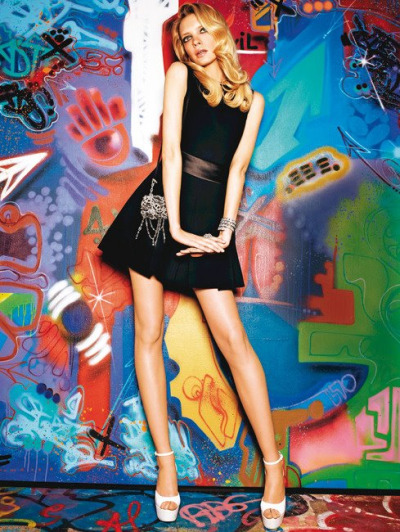
Modella posa sui graffiti di un ruin pub/Model on a ruin pub graffiti

Servizio di moda tra le rovine/fashion in the ruins
Nomad bars: they set their camp, shifting across the Budapest topography, from a basement to an attic. Puder, in 9th kerulet, chose a chic bohemian way, with its artist decorated interiors. Urban writers, instead, used the stairs walls that lead to the Corvinteto (7th district), as their canvases. The bar is on the roof top of a supermarket, and you can have your first – or last – cocktail in the elevator. Now, most of the ruines are being removed in the central districts of Budapest. So secretive bars are moving to escape gentrification. To find other ruines to hide, to get truly underground. R33 found its genius loci in an abandoned factory, in the 9th district. Others set their bottles, their art and a sound system in ghost ghastly architecture. In the 8th district I listened to and danced on the same kind of eastern European hard rock-punk, I fell in love with years before, in the crazy cube of Bulgarian bar on the Broadway, New York City. In one of these, which retained the clandestine vibe of the first wave of romkocsma, they used to serve a terrifying Polish vodka called Spirytus, together with an unlabelled gin, a Hungarian herbs liqueur and a kind of green golden absynthe. Before getting out it was compulsory to carve few words on the wooden bar, in your mothertongue: “Promise to forget”. What happens in the ruins, stays in the ruins.

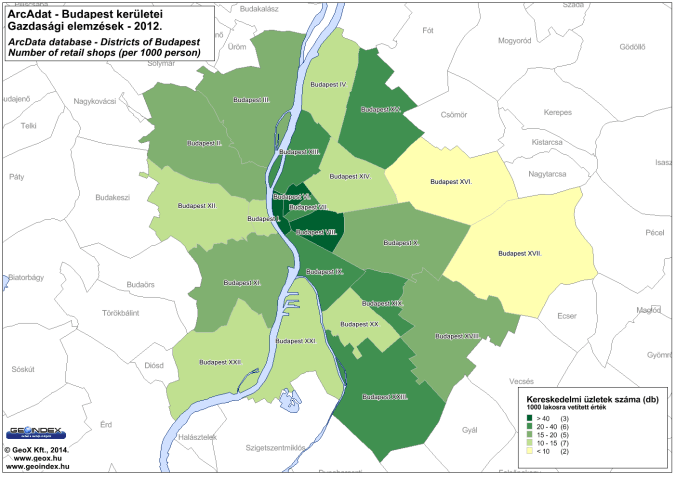
I distretti di Budapest/Budapest kerulets
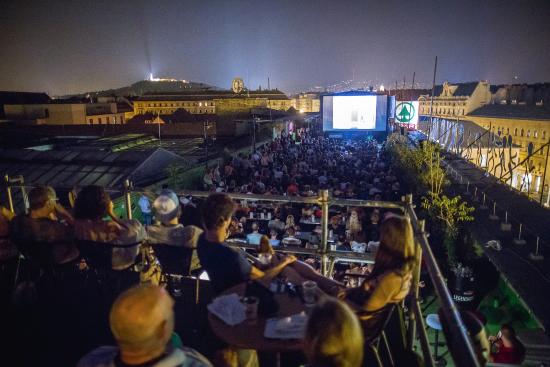
Notturna sulla terrazza del Corvin Teto/Corvin Teto terrace at night
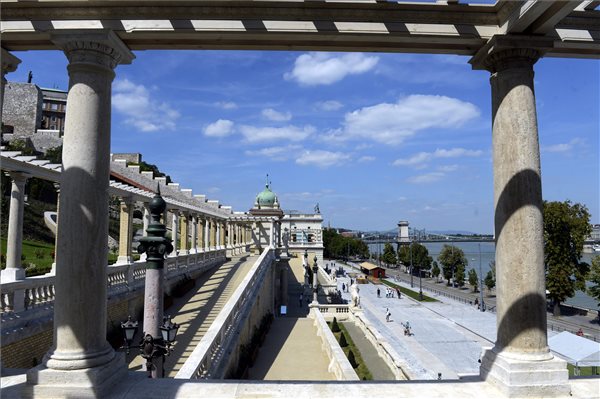
Varkart Bazar sul Danubio/Varkart Bazaar on the Danube
 Ways of Escape